


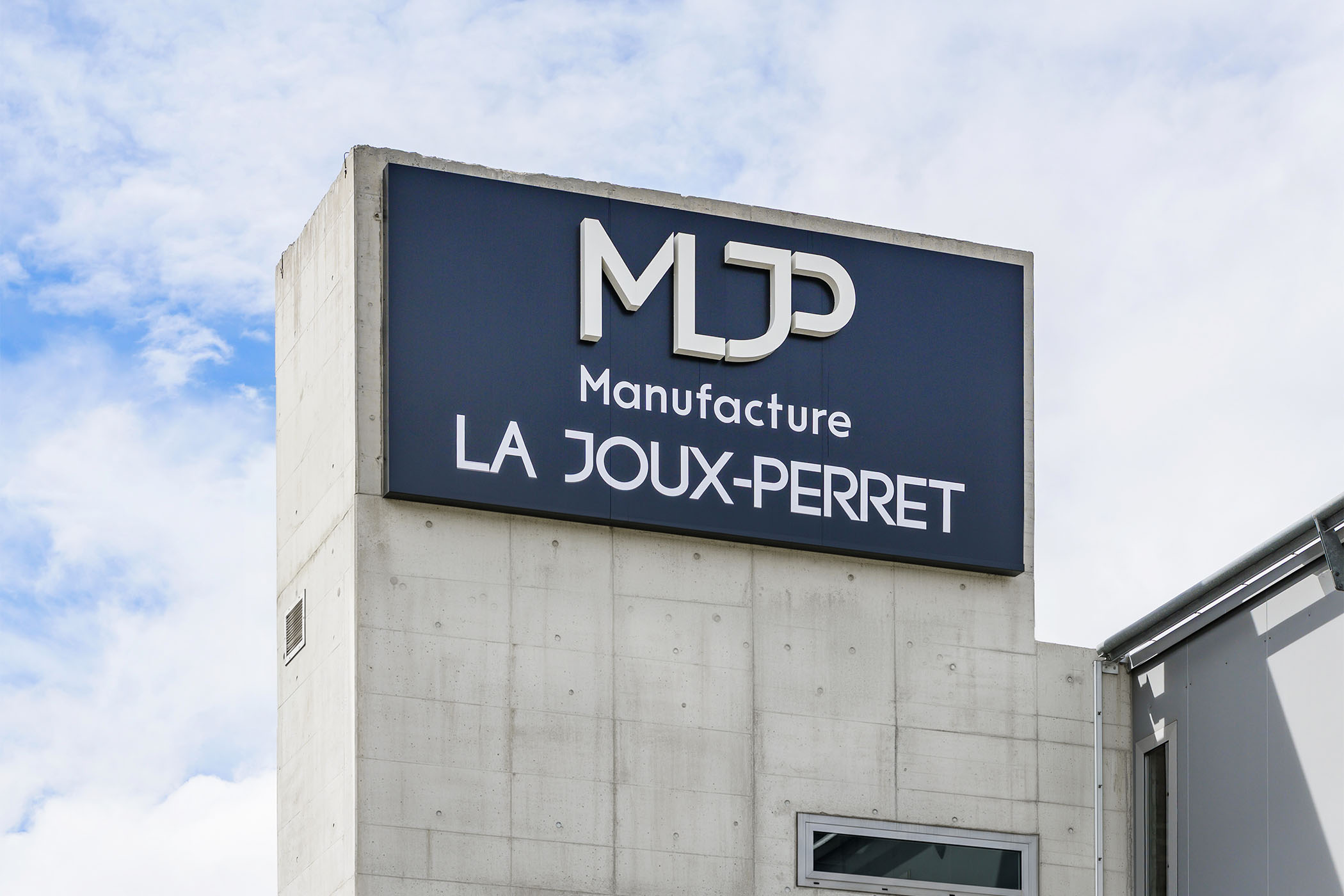
Manufacture La Joux-Perret
In a move that didn’t make major headlines but carries significant industry weight, LVMH has taken a minority stake in Manufacture La Joux-Perret SA — the well-regarded Swiss movement maker owned by Citizen Watch Co. For the broader watch world, the partnership underscores a growing reality: securing reliable, innovative movement supply has become one of the most strategic plays a brand can make. With demand for quality calibers climbing and manpower across the industry stretched thin, LVMH’s decision is as much about guarding the future as it is about strengthening supply-chain capabilities.
While the investment flew quietly under the radar, it represents a meaningful collaboration between two major players with complementary strengths. LVMH already owns TAG Heuer, Hublot, Louis Vuitton, Tiffany & Co., Zenith and others — several of which have relied on La Joux-Perret movements in recent years. Bringing the Swiss manufacture closer into the fold ensures continued access to movements, especially ones where innovation and sustainability overlap.
La Joux-Perret, headquartered in La Chaux-de-Fonds, has long been known for designing and producing high-quality mechanical movements, including chronographs, time-only calibers and even tourbillons. Since Citizen acquired the company in 2012, the manufacture has also become a leader in high-precision solar quartz technology. These light-powered movements began appearing in major LVMH brands as early as 2022, starting with TAG Heuer and more recently Tiffany & Co.
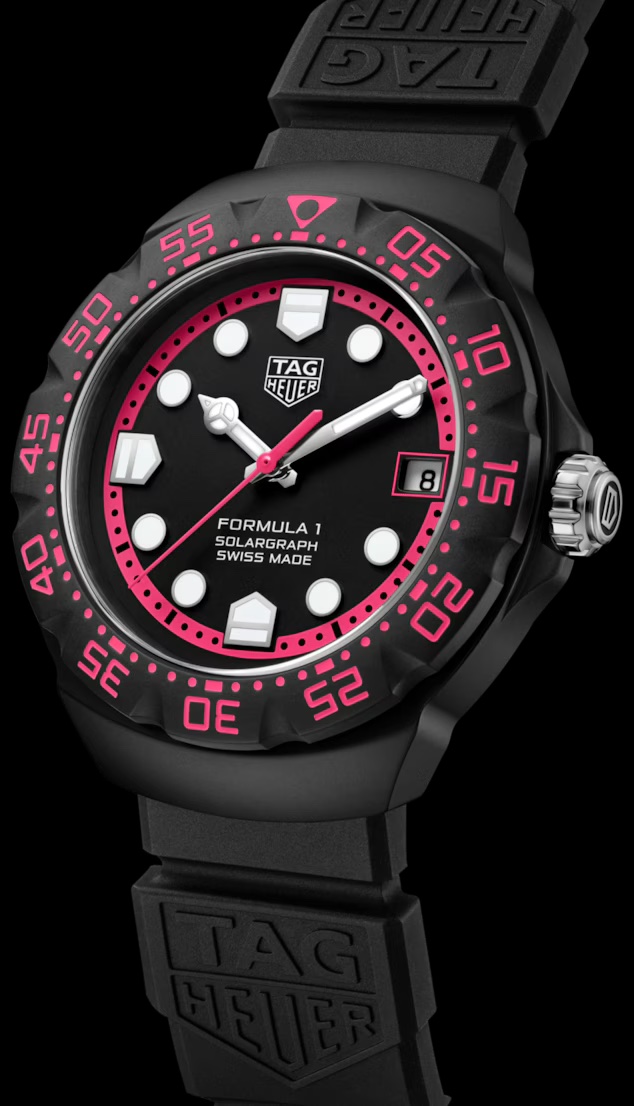
TAG Heuer Formula 1 Solargraph is powered by a movement created by La Joux-Perret.
The new investment is expected to accelerate that trend, giving LVMH greater access to advanced solar technology at a moment when brands across the luxury sector are pushing sustainability forward. For La Joux-Perret, the capital infusion strengthens its ability to increase production, maintain supply for existing clients, and continue serving brands both inside and outside of the two groups.
This type of collaboration is increasingly common in response to industry-wide shortages — from trained watchmakers to high-quality component suppliers. Chanel’s minority stake in Tudor-founded Kenissi remains a clear example of how brands are securing essential movement pipelines after the Swatch Group reduced ETA deliveries to external marques. For LVMH and Citizen, partnering on La Joux-Perret is a strategic way to maintain independence in sourcing while boosting innovation.
Even as the manufacture deepens ties with its two parent groups, La Joux-Perret has stated that it will continue to operate independently and supply movements to outside customers. With an annual output exceeding 150,000 movements, including a growing share of solar-powered calibers that recharge via natural or artificial light, it remains well positioned to meet rising demand for sustainable options.
Ultimately, the investment strengthens both sides: LVMH gains a more secure and more innovative movement supply, and Citizen reinforces the global reach and technological relevance of its Swiss subsidiary. In an environment where movements — particularly advanced and eco-forward calibers — are becoming harder to source, this alliance reflects where the watch industry is heading: toward tighter collaborations, shared expertise and long-term strategy over short-term sourcing.