



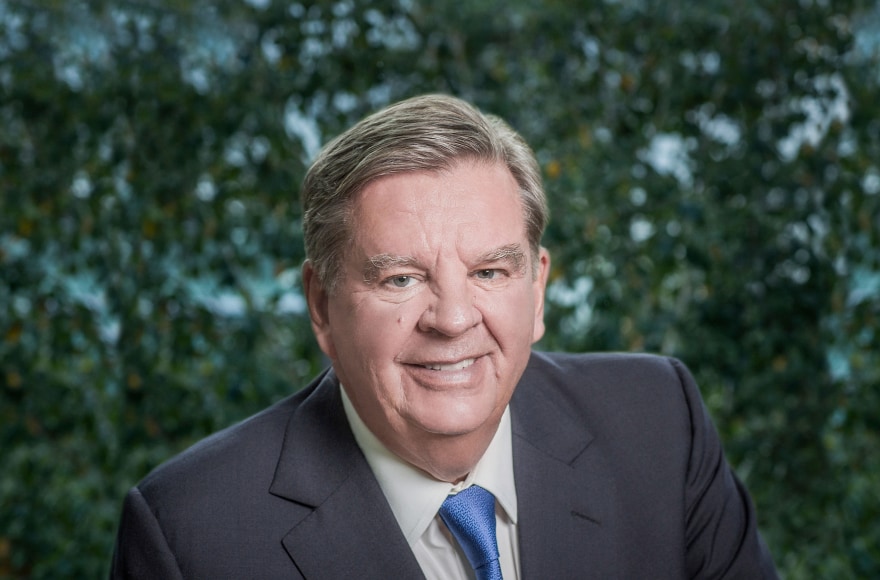
Anton Rupert (Photo: Richemont)
The Richemont Group (think Cartier, Vacheron Constantin, Van Cleef & Arpels and a host of other luxury Maisons) made an important move toward its future yesterday, appointing Anton Rupert, son of longtime Chairman Johann Rupert, as Non-executive Co-Deputy Chairman of the Board of Directors. He will serve alongside Bram Schot, who holds the same title.
According to a release issued by the group, Anton Rupert will oversee matters relating to the Group’s Strategic Product and Communications Committee, an area Richemont describes as central to the Group’s creative and commercial direction. More tellingly, Johann Rupert called his son’s appointment “an important step in the Board’s long-term succession planning.”
Those words matter. Richemont has been inextricably linked with Johann Rupert since he founded the Group in 1988. Yet for years, many of us who follow the watch industry have wondered when — or perhaps whether — his son Anton would take on a more significant role in shaping its future. Now we have at least part of the answer. And I see the move as a positive one.
Johann Rupert, Chairman of Richemont Group (Photo: Richemont)
There is something to be said for keeping it in the family — especially when it comes to luxury. I have covered the watch and luxury industries for more than four decades, and some of their most powerful groups remain deeply connected to the families that built them.
Family involvement can bring something particularly valuable to businesses built around heritage, craftsmanship and longevity: the ability to think not just about the next quarter or even the next few years, but about the next generation.
What I find particularly interesting about the Rupert story, however, is that Richemont hasn’t rushed this. Anton Rupert has been a Richemont director since 2017, but his father has hardly spent the intervening years clearing the executive ranks to make room for him. Quite the opposite. Johann Rupert has given Anton time to grow and learn, while consistently surrounding himself with highly accomplished executives and has been willing to put substantial authority in their hands.
Nicolas Bos may be the strongest example. I knew Bos years ago when he was heading Van Cleef & Arpels, and I found him astute, sharp, thoughtful and exceptionally professional. He understood not only the business of luxury, but also the less easily defined qualities that make a great Maison great — creativity, identity, culture and the importance of knowing what not to change. When Richemont named Bos Group CEO in 2024, I thought he was exactly the right person for the job. I still do. That is one reason I find Anton Rupert’s new position so interesting. It doesn’t undermine Bos’s role. It complements it.
Anton is not becoming Group CEO or assuming day-to-day management of Richemont. Instead, his new non-executive responsibility brings him closer to an area that may ultimately be just as important to the Group’s future: product strategy and creative and commercial direction of its Maisons.
Schot, the former CEO of Audi who joined Richemont’s Board in 2023 and became Non-executive Deputy Chairman in 2024, will focus on Board and Committee governance matters. It is a carefully delineated structure: professional executive management under Bos, governance oversight with Schot, and increased family stewardship through Anton Rupert.
And perhaps the fact that Anton wasn’t rushed into a senior leadership role years ago tells us something, too. Maybe there was value in giving the next generation time to develop away from the expectation created by the Rupert name — to gain outside perspective and understand a consumer and technological landscape vastly different from the one in which Richemont was created. I think that matters. The Richemont brands aren’t simply managing balance sheets and quarterly earnings. They are custodians of names, craftsmanship, archives, design codes and reputations built over generations. That makes long-term thinking especially valuable – and growing up in a family that understands this is a huge benefit.
We have seen versions of it elsewhere. The Hayek family’s involvement has provided continuity at Swatch Group across generations. At LVMH, the Arnault family’s presence in increasingly important roles throughout the organization leaves little doubt that Bernard Arnault is thinking beyond his own tenure.
Why shouldn’t Richemont be thinking the same way? In fact, Johann Rupert essentially says that it is. In announcing the appointment, he pointed to close family involvement, rigorous governance and a commitment to creativity and craftsmanship as foundations of Richemont’s strength.
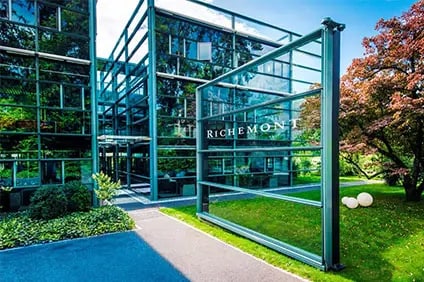
Richemont headquarters entrance.
Richemont isn’t one brand. Its watchmaking portfolio encompasses Maisons with dramatically different identities, histories and approaches to watchmaking. Preserving those differences while keeping them commercially relevant requires something more nuanced than simply chasing what is selling at the moment.
And this is where family stewardship, when it is handled properly, can have an advantage: the ability to think in generations rather than seasons.
None of this means Anton Rupert has been anointed as Johann Rupert’s eventual successor. Richemont did not say that, and I don’t think we should leap ahead of the company.
But it has told us something important. After years of keeping Anton close enough to understand the business but without rushing him into its highest executive ranks, Richemont is giving him greater influence over the creative and product priorities that will help determine what its Maisons become next